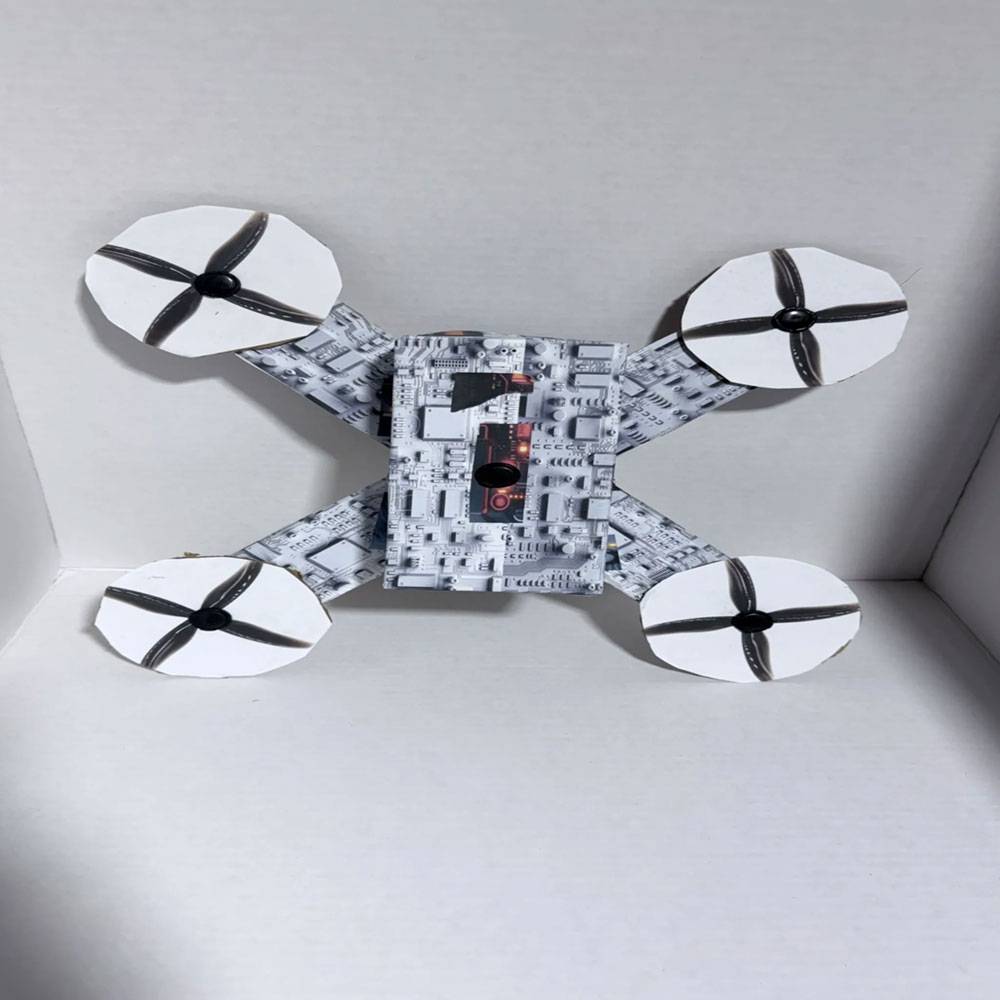
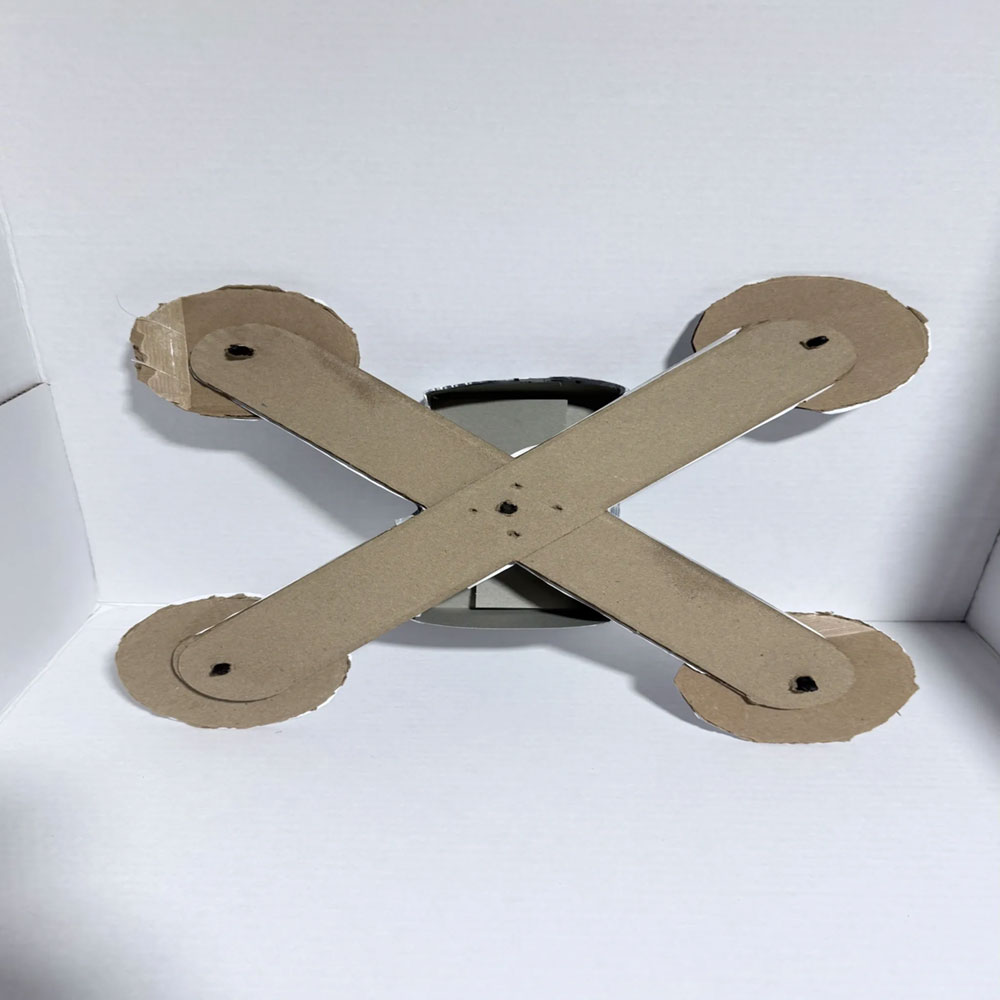
Tlaza Boomergang Decoy Drone Signature Replication System
$11.00
Decoy Drone Platform
Ultra-Lightweight | Biodegradable | Visual Signature Replication | System Saturation Tool
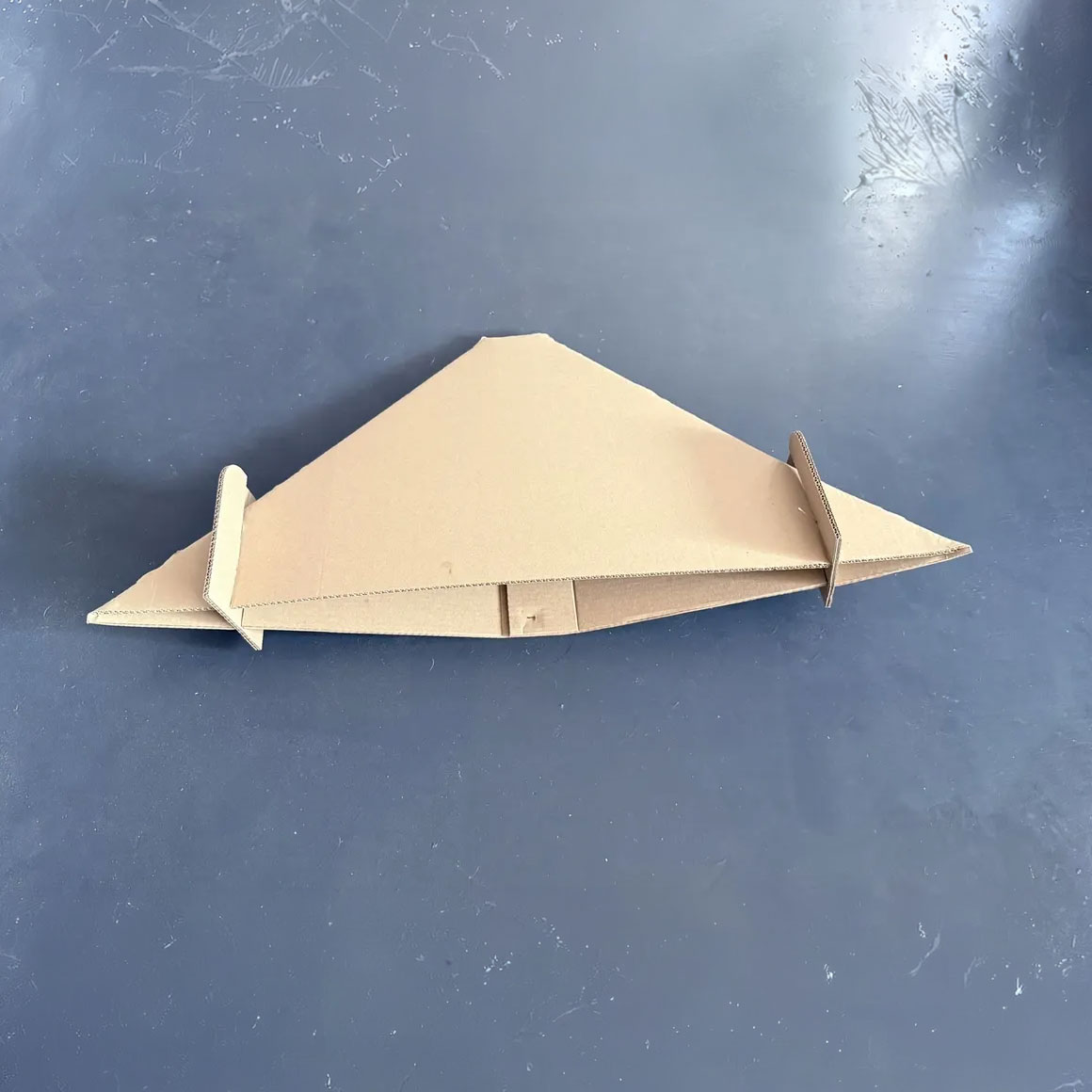
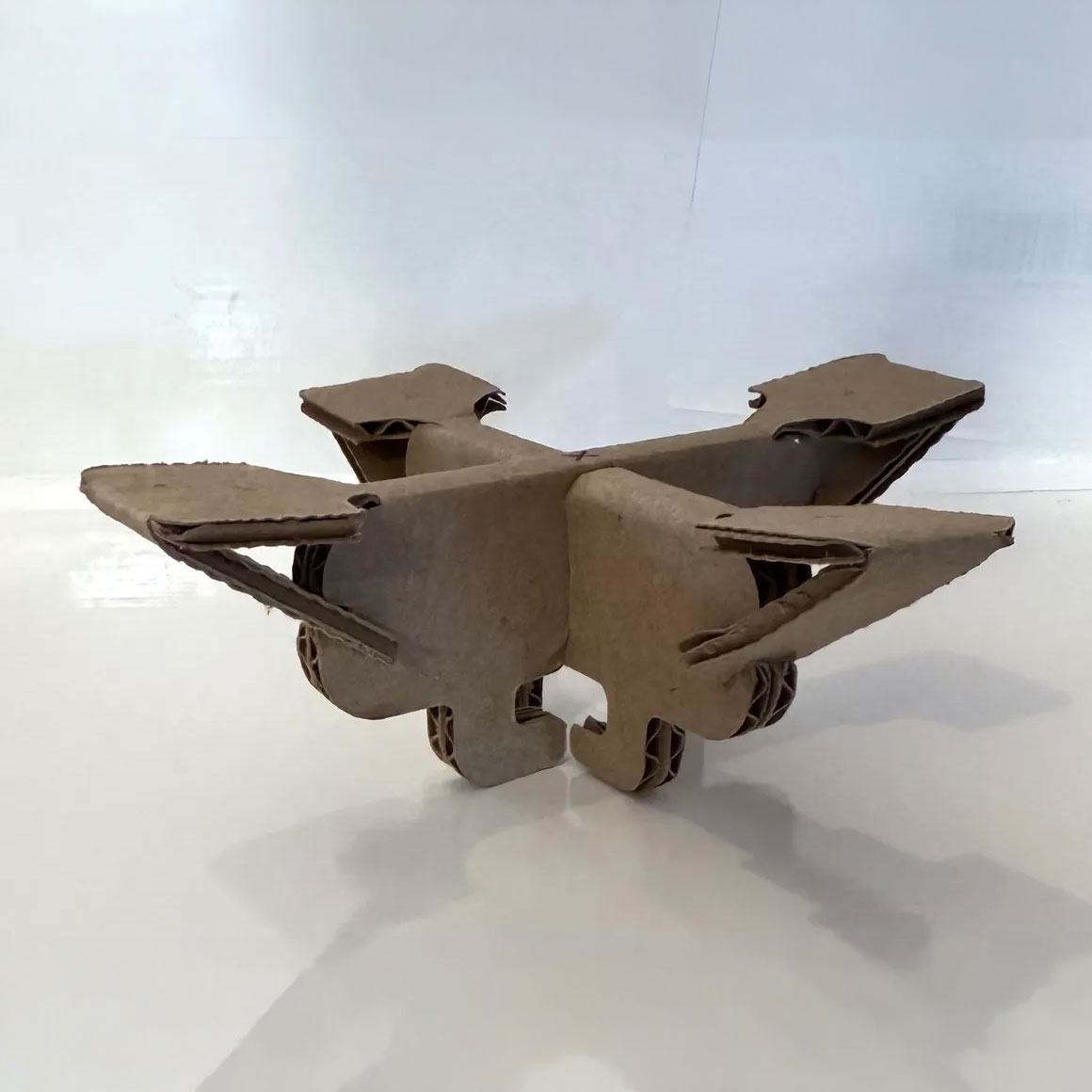
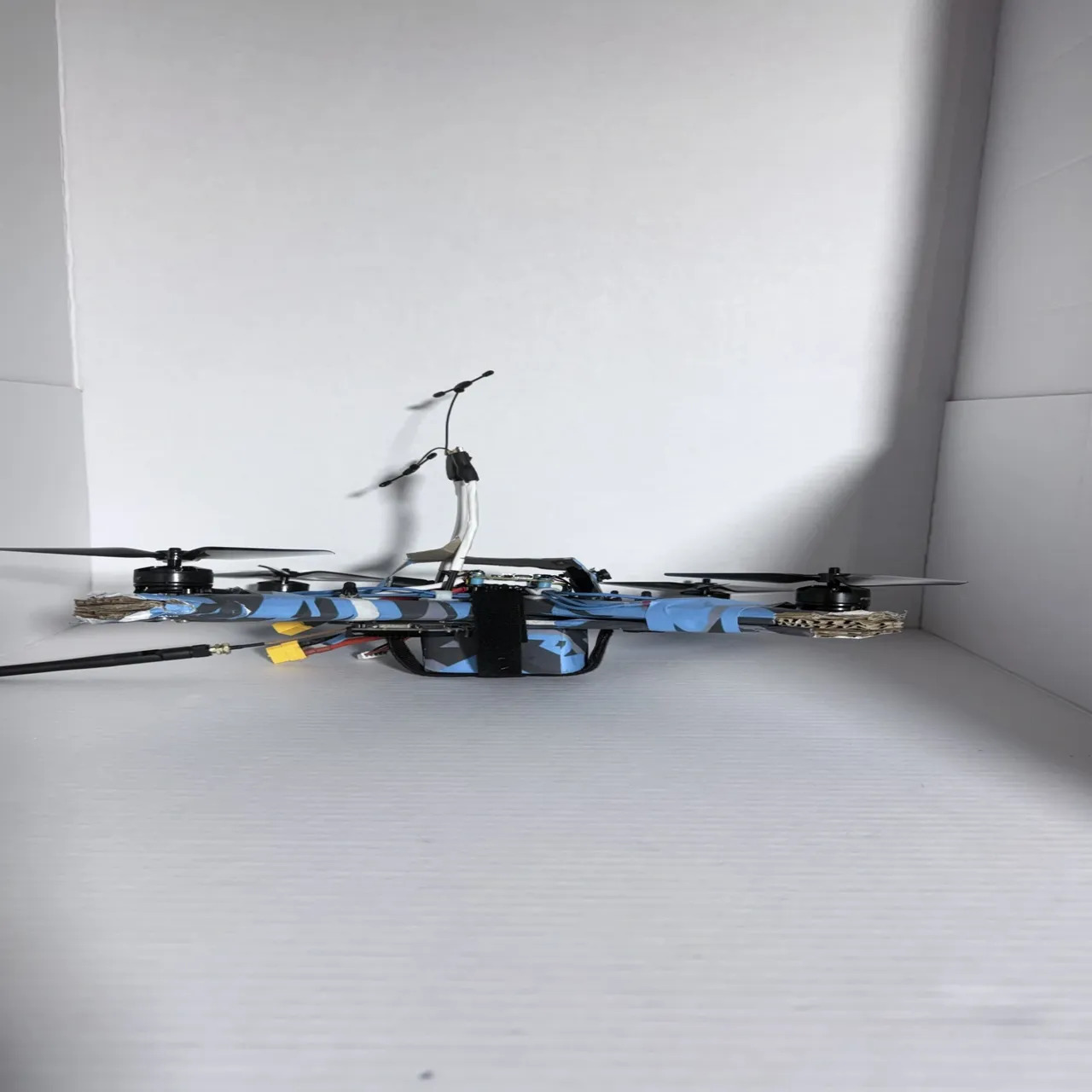
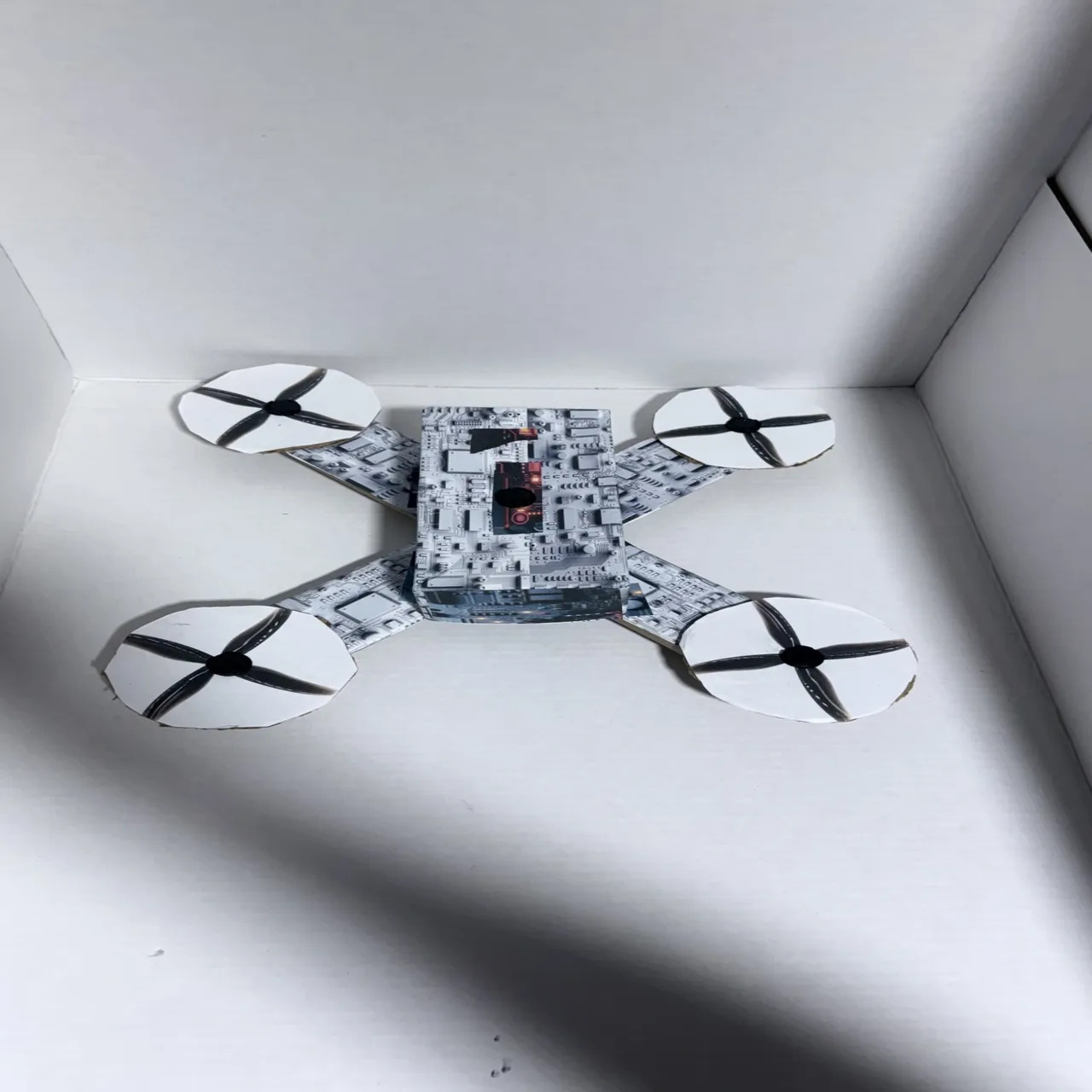
The Decoy Drone Platform is a purpose-built, ultra-lightweight aerial signature replication system designed to visually resemble a functional unmanned aircraft system (UAS). Constructed from biodegradable corrugated composite materials, it provides a cost-effective method for visual deception, sensor flooding, and training environments.
This platform is engineered to replicate the external appearance and silhouette of operational drones while minimizing cost, recoverability concerns, and environmental footprint.
Core Capabilities
• Visual Drone Signature Replication
Designed to closely resemble operational multi-rotor aircraft in shape, size, and flight profile.
• Ultra-Lightweight Construction
Manufactured from reinforced corrugated organic composite material for minimal mass and rapid deployment.
• Biodegradable & Environmentally Responsible
Built from recyclable materials to reduce long-term environmental impact in training or distributed deployment scenarios.
• Sensor & Systems Saturation Use Case
Ideal for:
- Training environments
- Counter-UAS exercises
- Visual detection testing
- ISR overload simulations
- Resource diversion scenarios
• Balloon / Helium Assist Compatible
Can be paired with lift-assist systems for extended loiter profiles or distributed aerial deployment concepts.
• Flat-Pack Logistics
Ships flat for:
- Reduced storage footprint
- Rapid field assembly
- Efficient transportation
Operational Applications
- C-UAS Training & Evaluation
- Airspace Saturation Simulation
- Visual Target Proliferation
- Detection Algorithm Stress Testing
- Low-Cost Distributed Deployment Scenarios
Strategic Advantage
The Decoy Drone Platform enables large-quantity deployment at a fraction of the cost of traditional aerial systems. By separating visual signature from high-value electronics, organizations can conduct testing, training, and saturation exercises without risking operational hardware.
Open-architecture compatible. Customizable form factors available.